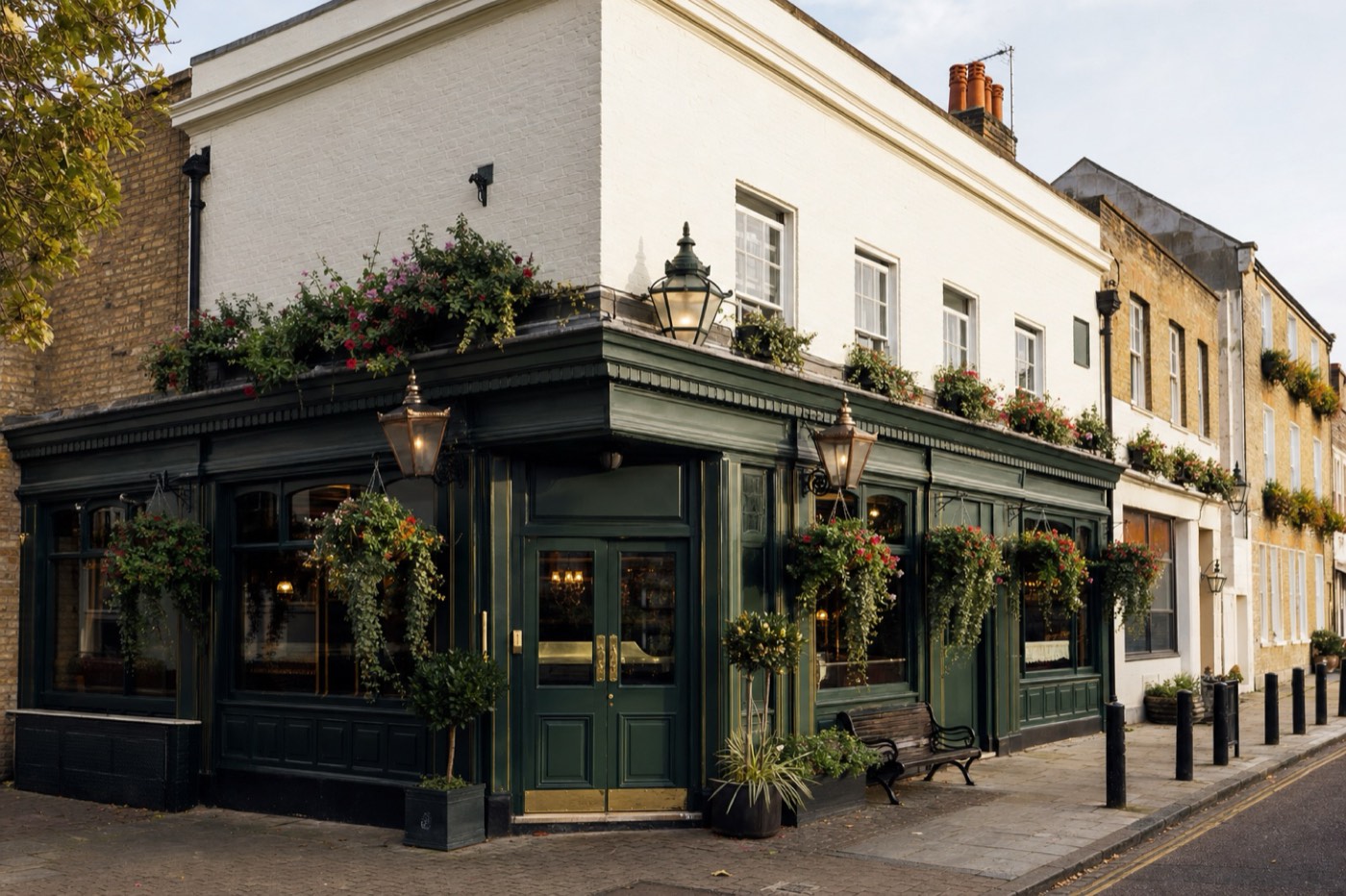
Leasehold and tenanted pub finance
We arrange commercial finance for operators and tenants taking on, refinancing or working capital against leasehold and tenanted pubs. This is business lending against a trading pub held on a lease, not a personal mortgage.
Funding leasehold pub
Leasehold and tenanted pubs are run on a lease or tenancy from a brewery, pubco or private landlord rather than owned outright. The operator does not own the bricks, so the entry cost is far lower than buying a freehold, but the lending is different: there is no freehold to secure against, so finance is arranged on the value of the lease, the fixtures and fittings, the ingoing, and the working capital the business needs, with the going-concern trade behind it. Many of these pubs are tied, taking beer from the landlord at set prices in return for a lower rent; some are free-of-tie leases.
When we say leasehold pub finance we mean the funding used to take on a lease, buy the fixtures and fittings and ingoing stock, cover the working capital, or refinance an existing leasehold business. Lenders read it through the length and terms of the lease, the rent and any tie, the fair maintainable trade, and above all the operator, because without freehold security the trade and the tenant carry the case.
Because there is no bricks-and-mortar security, leasehold lending is shorter, more cautious and more dependent on the strength of the operator and the lease than freehold lending. A long lease on sensible terms, a free-of-tie or lightly tied position, a sound trade and a proven tenant make a fundable case; a short residue, a heavy tie or a thin record pulls terms back and leans more heavily on the operator's own funds.
We present the lease, the tie position, the trade and the operator so leisure-experienced lenders can price the risk, and we run the whole market as an arranger across the lenders that genuinely fund leasehold pub trade.
What we fund
- Tied leases and tenancies from a brewery or pubco
- Free-of-tie commercial leases on pubs
- Ingoing, fixtures-and-fittings and stock funding for a lease
- Working capital against a leasehold pub business
- Refinance of an existing leasehold pub
- Lease assignment and change of operator
Indicative terms
- BasisLease value, fixtures and fittings, ingoing, working capital
- SecurityNo freehold; trade, lease and operator carry the case
- TermShorter, aligned to the lease residue
- Indicative rateFrom around 9 to 14% per annum
- Tie positionTied or free-of-tie, central to the terms
- OperatorTrack record weighs heavily without bricks security
- Key testsLease length and terms, tie, fair maintainable trade
Indicative only. Terms vary by lender, operator and pub and are not an offer of finance.
How we fund leasehold and tenanted pubs
We fund leasehold pubs on the lease, the fixtures and fittings, the ingoing and the working capital, with the going-concern trade behind it. Because there is no freehold to secure against, the lending is shorter and more cautious than freehold finance and leans heavily on the strength of the lease and the operator. For taking on a lease we arrange funding toward the premium, the fixtures and fittings, the ingoing stock and the working capital, sized on the fair maintainable trade and the length and terms of the lease, at an indicative 9 to 14% per annum over a term aligned to the lease residue. We read the tie position closely: a tied lease takes beer from the landlord at set prices in return for a lower rent, while a free-of-tie lease keeps the full margin but usually carries a higher rent, and that trade-off shapes the maintainable earnings. A refinance can re-price an existing leasehold facility or fund a lease assignment. Every figure is indicative and never an offer; the terms depend on the lease, the tie and the operator.
Lender appetite for leasehold and tenanted pubs
Leasehold and tenanted pubs draw a narrower field than freehold, because there is no bricks-and-mortar security, so the lenders that fund them weigh the trade and the operator heavily. Specialist leisure and trade-business lenders, asset finance houses and some challenger banks such as Allica Bank fund the fixtures and fittings, the ingoing and the working capital against the going-concern trade, while others lend on a free-of-tie lease with a long residue more readily than on a short tied tenancy. Lenders read the length and terms of the lease, the rent and any tie, the fair maintainable trade and the operator's record, and they look for a tenant whose own funds and experience carry real weight in the absence of freehold security. As an arranger and introducer with no exclusive tie, we match the lease, the tie position and the operator to the lenders that genuinely fund leasehold pub trade, rather than assuming a freehold lender will look at it.
The leasehold and tenanted pub market
Leasehold and tenanted pubs are how many operators get into the trade, because the entry cost is a fraction of buying a freehold: you fund the lease, the fixtures and the working capital rather than the bricks. The trade-off is that the business is held on a lease, so its value sits in the going concern and the residue of the lease rather than in property, and the exit is an assignment of the lease to a new tenant, usually with the landlord's consent, rather than a freehold sale. That makes the lease terms and the tie position central to value: a long, free-of-tie or lightly tied lease on a profitable pub assigns readily, while a short residue or a heavy tie narrows the buyer pool. For a lender, the case rests on the trade, the lease and the operator rather than on bricks, which is why the underwrite is more cautious. We present the lease, the tie and the trade so the case is funded and exited on a realistic basis.
Finance that suits this pub type
- Leasehold and tenanted pub financeThe core route for taking on, refinancing or assigning a leasehold or tenanted pub.
- Pub acquisition financeFunds the ingoing, fixtures and fittings on a leasehold pub acquisition.
- Pub refurbishment and fit-out financeFunds trade-area and kitchen works within a leasehold pub.
- Pub refinance and capital raisingRe-prices an existing leasehold facility or funds a lease assignment.
Fund a leasehold pub home
A view on fundability within one working day.
What drives a leasehold pub's numbers
A leasehold or tenanted pub is funded without bricks-and-mortar security, so its economics turn on the lease, the fixtures and fittings, the ingoing, the working capital and the going-concern trade behind them. The decisive figures for a lender are the length and terms of the lease, the rent and any tie, the fair maintainable trade, and the operator, because in the absence of freehold security the trade and the tenant carry the case. The tie position reshapes the earnings: a tied lease takes beer from the landlord at set prices for a lower rent, lowering the wet margin but easing the rent, while a free-of-tie lease keeps the full margin against a higher rent. The lease residue drives how far a lender will lend and over what term. We model the fair maintainable trade against the lease and the tie, and where a case is a genuine regulated owner-occupier matter we refer it to an authorised firm rather than place it ourselves.
Indicative leasehold pub leverage and rates
Indicatively we arrange leasehold and tenanted pub funding on the lease premium, the fixtures and fittings, the ingoing and the working capital, at around 9 to 14% per annum over a term aligned to the lease residue, because there is no freehold to secure against and the lending is shorter and more cautious than freehold finance. A long, free-of-tie or lightly tied lease on a profitable pub with a proven operator earns the keener end; a short residue, a heavy tie or a thin trade record pulls terms back and leans more on the tenant's own funds. A refinance can re-price an existing facility or fund a lease assignment. These are market-typical, indicative figures and never an offer; the terms depend on the lease length and terms, the tie, the fair maintainable trade and the operator, and we run the specialist leisure, trade-business and asset finance market, including lenders such as Allica Bank, that genuinely fund leasehold pub trade.
Frequently asked questions
Can I get finance for a leasehold or tenanted pub?
Yes, but it is arranged differently from a freehold. Because you do not own the bricks, there is no freehold to secure against, so finance is placed on the value of the lease, the fixtures and fittings, the ingoing and the working capital, with the going-concern trade behind it. The terms are shorter and more cautious than freehold finance, at an indicative 9 to 14% per annum, and they lean heavily on the lease and the operator.
How does the tie affect leasehold pub finance?
The tie shapes the maintainable earnings. A tied lease takes beer from the landlord at set prices in return for a lower rent, which lowers the wet margin but eases the rent; a free-of-tie lease keeps the full margin but usually carries a higher rent. Lenders read the trade-off closely, because it drives the fair maintainable trade the lending is sized against. We present the tie position so the earnings are read correctly.
Why is leasehold pub finance more expensive than freehold?
Because there is no bricks-and-mortar security. With a freehold the lender has the property to secure against; with a leasehold the case rests on the trade, the lease residue and the operator, which is a more cautious risk, so the terms are shorter and the rate higher, indicatively 9 to 14% per annum. A long lease, a sound trade and a proven operator keep the terms as keen as the risk allows.
What does the lease length mean for what I can borrow?
It is central. The lending term is aligned to the residue of the lease, so a long lease supports a longer facility and a stronger case, while a short residue pulls both the term and the leverage back. Lenders read the lease terms, the rent reviews and any break clauses alongside the trade. We present the full lease so the case is sized against a realistic residue.
Can I finance taking over a lease assignment?
Yes. Where you are taking on an existing lease by assignment we arrange funding toward the premium, the fixtures and fittings, the ingoing and the working capital, sized on the fair maintainable trade and the lease terms, usually with the landlord's consent to the assignment. We present the lease, the tie and the trade so the case is funded on a realistic basis.
Funding a leasehold pub home?
Tell us about the home and the operator and we will come back with a view on fundability and likely terms.